
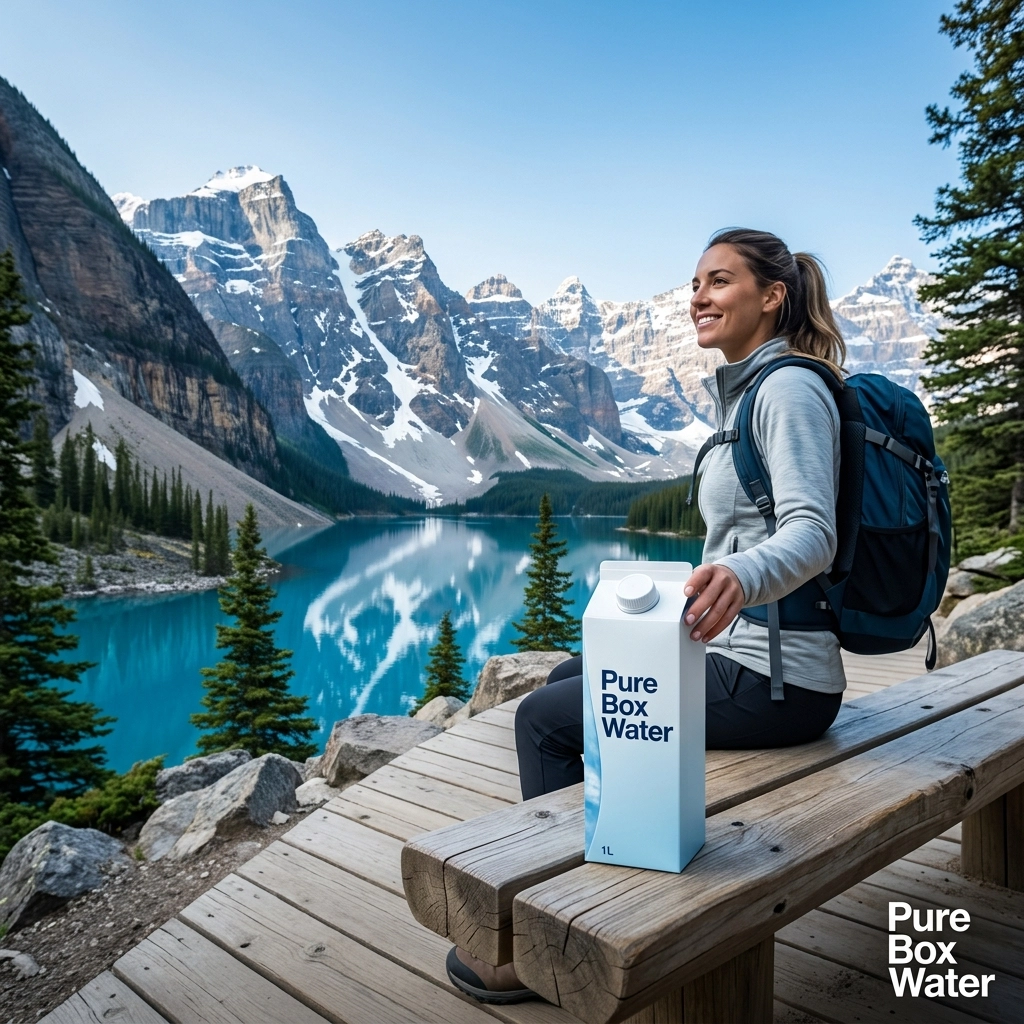
The global tourism industry is currently navigating a period of profound transformation, shifting from a model centered purely on visitor volume to one defined by environmental stewardship and sustainable logistics. As destination marketing organizations (DMOs) and tourism bureaus face increasing pressure to mitigate the ecological footprint of travel, the transition away from single-use plastics has moved from a peripheral concern to a core strategic imperative. Central to this evolution is the adoption of boxed spring water at scale, a movement that is fundamentally altering how high-traffic destinations, ranging from national parks to urban tourism hubs, manage hydration and waste.
By integrating sustainable packaging solutions into the broader framework of destination management, tourism bureaus are not merely addressing a consumer preference; they are fortifying their brand identity against the rising tide of climate-conscious travel. The shift toward Pure Box Water, particularly through high-volume commitments such as the 1 million unit requirement, represents a critical pivot in the industry's approach to resource management and environmental preservation.
Tourism accounts for approximately 8% of global carbon emissions, a staggering figure that has compelled departments of natural resources and tourism bureaus to reevaluate every aspect of the visitor experience. Historically, the convenience of plastic water bottles made them a staple in visitor centers, hotels, and excursion kits. However, the resulting plastic pollution has reached a critical threshold, particularly in fragile ecosystems such as state and federal parks.
Research indicates that a significant majority of travelers, upwards of 87%, now express a clear preference for destinations that demonstrate a tangible commitment to sustainability. For tourism bureaus, this shift in sentiment necessitates a transition from symbolic gestures to systemic changes. Replacing the traditional plastic bottle with boxed spring water serves as a visible, high-impact signal of this commitment. Unlike plastic, which can take centuries to decompose and often ends up in local waterways, boxed alternatives utilize FSC-certified paperboard and plant-based materials, significantly reducing the carbon footprint associated with production and disposal.

A realistic depiction of a modern, eco-conscious visitor center at a major state park, showcasing prominently displayed Pure Box Water cartons in a clean, natural setting.
For a tourism bureau or a state agency managing millions of annual visitors, small-scale sustainability pilots are often insufficient to generate the necessary environmental or economic impact. This is why the 1 million unit requirement is becoming a standard benchmark for bureaus betting big on boxed spring water. Operating at this scale allows for a total transformation of the supply chain, ensuring that every touchpoint within a destination, from the airport lounge to the remote trail head, is unified under a single, plastic-free hydration strategy.
When a tourism bureau commits to a high-volume procurement of Pure Box Water, they achieve several critical objectives:
This scale is particularly relevant for federal and state parks departments. When a Department of Natural Resources (DNR) mandates boxed water across all state-managed land, the sheer volume of 1 million units creates a new baseline for what is acceptable in public spaces.
The transition to boxed spring water is supported by significant advancements in packaging technology. Pure Box Water is not merely an aesthetic alternative to plastic; it is a technically superior product designed for the rigors of travel and outdoor exploration. The packaging typically consists of approximately 92% plant-based materials, utilizing paperboard sourced from responsibly managed forests.
By binding the structural integrity of the carton to renewable resources rather than petroleum-based plastics, Pure Box Water offers a 200% reduction in carbon footprint compared to traditional bottled water. For tourism bureaus, these technical specifications are vital. They provide the empirical evidence needed to justify the transition to stakeholders and government bodies. Furthermore, the square or rectangular footprint of the box is far more efficient for logistics. More units can be packed into a single shipping container or delivery truck, reducing the "miles-per-unit" carbon cost of transportation.

A realistic, close-up shot of Pure Box Water cartons being unloaded in a high-traffic destination area, highlighting the efficiency of the packaging and the prominent Pure Box Water logo.
In the competitive landscape of global tourism, a destination’s brand is its most valuable asset. Tourism bureaus are increasingly recognizing that their choice of partners reflects directly on the destination's reputation. A plastic bottle labeled with a destination's name is increasingly viewed as a liability; a Pure Box Water carton, however, is a marketing asset.
Many bureaus are now utilizing the real estate on the boxes to tell a story of conservation. By partnering with Pure Box Water, bureaus can align themselves with a brand that is synonymous with eco-consciousness. This alignment extends beyond the physical product. It signals to travel agencies and international tour operators that the destination is forward-thinking and prepared for the future of travel.
The integration of media rights and advertising budgets into these partnerships also provides a unique financial lever. High-profile events and tourism campaigns can leverage the 1 million unit scale to secure favorable media placement, turning a hydration necessity into a powerful vehicle for destination promotion. For more information on how we support these initiatives, you can visit our about us page.
The most significant impact of the boxed water movement is seen in the management of state and federal parks. These areas are the crown jewels of any tourism bureau's portfolio, yet they are also the most vulnerable to plastic pollution. Departments of Natural Resources are now moving toward "Plastic-Free Park" certifications, where boxed water is the only permissible portable hydration option.
The logistics of implementing this at a 1 million unit scale involve a coordinated effort between the bureau, local concessionaires, and the Pure Box Water team. By centralizing procurement, the DNR can ensure that even the most remote locations within a park system have access to sustainable water. This systemic approach prevents the fragmentation that often plagues sustainability efforts, where different contractors use different standards.

A realistic view of a pallet of Pure Box Water being delivered to a scenic overlook facility, demonstrating the scale and professional logistics required for state-wide distribution.
Ultimately, the bet that tourism bureaus are making on boxed spring water is a bet on the long-term viability of their destinations. By moving away from the "disposable" culture of plastic, they are protecting the very natural beauty that attracts visitors in the first place. The 1 million unit requirement is the engine that drives this change, providing the necessary volume to disrupt established, harmful supply chains and replace them with something better.
As we look toward the future of travel, the bureaus that succeed will be those that prioritize the health of their ecosystems as highly as their visitor numbers. Pure Box Water provides the tools to make this a reality, offering a scalable, sustainable, and high-quality solution for the world’s most iconic destinations. Whether you are managing a single municipal bureau or an entire state’s tourism department, the move to boxed water is a definitive step toward a reimagined, resilient tourism industry.
For bureaus ready to make the transition and explore our high-volume programs, please explore our shop or contact our team directly to discuss your specific regional needs. Together, we can ensure that the future of tourism is as pure as the water we provide.